Basement Waterproofing 101: How to Keep Your Lower Level Dry Year-Round


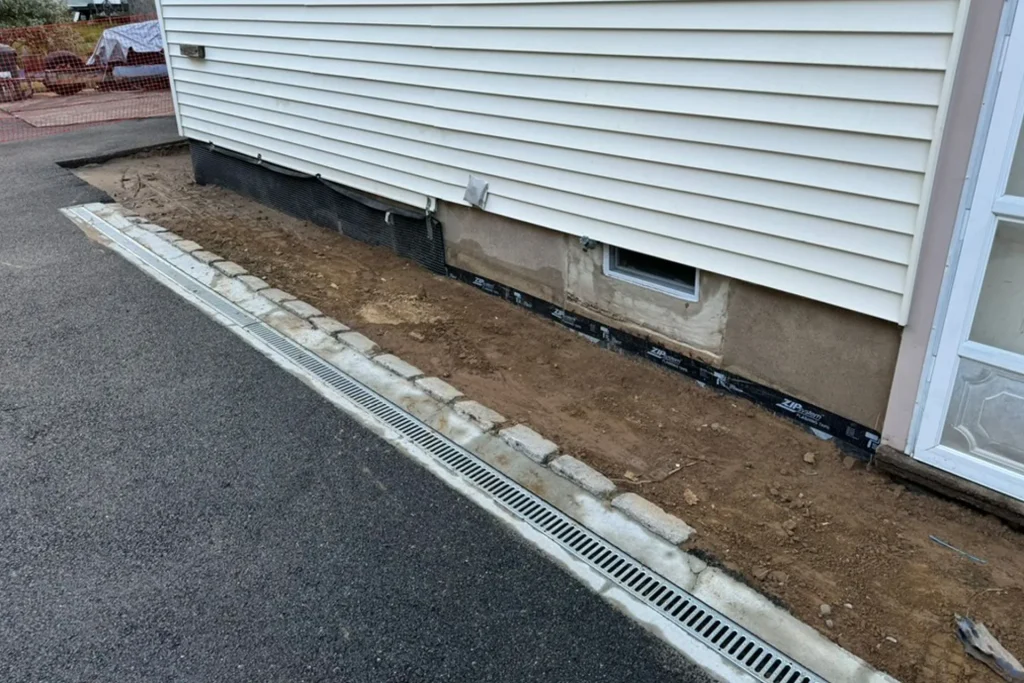
A dry basement rarely gets much attention. It is the part of the house people walk through on the way to the laundry, the storage shelves, or the furnace. Then one wet spring morning, there is a musty smell, a damp cardboard box, or a thin line of water tracing itself across the slab, and suddenly the basement becomes the most important room in the house.
Basement Waterproofing is one of those subjects that sounds straightforward until you see how many ways water can get in. It can seep through concrete, push up through the floor, leak around a window well, spill over from a clogged gutter, or condense on cool walls and pipes until everything feels damp even when there is no obvious leak. The fix depends on the cause. That is where many homeowners get tripped up. They buy a can of waterproof paint when the real problem is a downspout dumping roof runoff beside the foundation. Or they install a dehumidifier when the basement is actually taking on groundwater under pressure.
Keeping a lower level dry year-round is less about one magic product and more about managing water from the top of the lot all the way down to the footing. When you understand how moisture behaves around a foundation, the choices become much clearer.
Why basements get wet in the first place
Concrete feels solid and permanent, but it is not waterproof by nature. Poured concrete and concrete block are both porous. Water moves through soil, and when the ground around a home becomes saturated, hydrostatic pressure builds against foundation walls and beneath the slab. That pressure can force moisture through tiny pores, hairline cracks, construction joints, and pipe penetrations.
The source is not always dramatic. Some of the wettest basements I have seen were in houses with no burst pipes, no flood event, and no visible stream of water entering. What they had was poor water management outside. The grading tilted toward the home by a few inches. Downspouts ended right at the corners. Mulch beds were piled high enough to trap splashback against siding and masonry. After a few rain cycles, the basement stayed cool, humid, and faintly moldy, even though no one could point to a single obvious failure.
Season matters too. In spring, thawing soil and frequent rain can overwhelm drainage. In summer, humid air enters through open windows and condenses on cooler basement surfaces. In fall, clogged gutters send roof water straight down at the foundation. In winter, frozen soil can block normal drainage patterns, and snowmelt can find weaknesses around window wells and stairwells.
That is why effective Basement Waterproofing almost always combines exterior water control, foundation repair where needed, and interior moisture management.
The first step is diagnosis, not products
Before anyone talks about membranes, sump pumps, or sealants, it helps to answer a simple question: what kind of water problem are you dealing with?
There is bulk water, which is the unmistakable kind. Puddles on the floor, streaks on the wall, wet carpet, active drips. There is also moisture vapor and condensation, which can leave walls clammy, rust tools, and create mold on organic materials without a visible leak. The remedies overlap sometimes, but not always.
A reliable inspection starts outside. Walk the perimeter during or shortly after a rain if possible. See where roof runoff lands. Look for areas where soil has settled next to the foundation, creating a trough that holds water. Check whether patios, walkways, or driveways pitch toward the house. Peer into window wells for leaves, standing water, or blocked drains.
Inside, pay attention to patterns. If water appears only at the base of one wall after heavy rain, the cause may be local to that area. If the basement feels damp all summer but never shows actual seepage, humidity could be the main issue. If a finished basement shows swollen trim or staining near a corner, remove enough material to see whether the wall cavity is wet or whether moist indoor air is condensing behind it.
The most useful clue is timing. Water that appears after prolonged rain points to drainage and groundwater pressure. Moisture that worsens during hot, humid weather often signals condensation. Problems tied to plumbing use, such as after showers or laundry, may be unrelated to the foundation altogether.
Exterior water control does most of the heavy lifting
If I had to choose the most cost-effective category of waterproofing work, it would be exterior drainage corrections. Not because they solve every case, but because so many basement problems begin above ground.
Start with the roof drainage system. A typical 2,000 square foot roof can shed a surprising amount of water in a moderate storm. If that runoff is dropped beside the foundation, the soil in that zone gets repeatedly saturated. Gutters should be clean, properly sloped, and sized for the roof area. Downspouts should discharge well away from the house. Four to six feet is often treated as a minimum practical extension, though more is better if the site allows and if water is directed to a safe discharge area.
Surface grading matters just as much. The soil around the home should slope away, not flatten out or reverse toward the wall. Even a subtle negative grade can hold water right where you do not want it. This is especially common a few years after construction, when backfill settles. In older homes, garden beds and decorative edging can accidentally create dams that trap runoff.
Hardscape deserves scrutiny too. Concrete walks, paver patios, and asphalt drives sometimes settle over time. A half inch of drop toward the house can direct a lot of water against the foundation during a storm. Mudjacking or slab lifting can be a better solution than chasing leaks indoors.
Window wells are another frequent weak point. They collect roof splash, leaves, and drifting snow. If the well drain is clogged or missing, water can rise high enough to leak around the window frame. A clear cover can help in some situations, but it should not be used as a substitute for drainage.
When sealing the wall helps, and when it does not
This is the part that often gets oversold. Interior waterproof coatings and sealants have a role, but they are not a cure for significant hydrostatic pressure. Paint labeled "waterproof" may slow minor vapor transmission or reduce dampness on a wall, yet it will not stop water being forced through a crack under pressure. In the worst cases, coatings fail, blister, or peel because the real problem is still active behind them.
That does not mean sealants are useless. They can be appropriate for isolated hairline cracks, small porous areas, or as part of a broader strategy. The key is matching the product to the condition. A flexible polyurethane or epoxy crack injection, done correctly, can permanently seal many non-structural wall cracks. Masonry patch materials can help around pipe penetrations. But painting over a recurring leak without fixing drainage is usually money spent twice.
Think of sealants as finishing tools, not first responders.
Interior drainage systems and sump pumps
When a basement takes on groundwater regularly, the most dependable fix is often not trying to hold all water out of the wall forever, but controlling where it goes once it reaches the foundation. That is the logic behind interior perimeter drainage systems.
These systems usually involve opening a strip of slab along the inside edge of the foundation, placing drainage channel or perforated pipe in clean stone, and directing collected water to a sump basin. From there, a sump pump discharges the water outside, far enough away that it cannot simply cycle back to the footing.
This approach can be extremely effective, especially in regions with high water tables or homes where exterior excavation is impractical. It also tends to be less disruptive to landscaping and less expensive than full exterior foundation excavation. The trade-off is that it manages water at the point of entry rather than preventing soil around the wall from getting wet in the first place.
A good sump system should not be treated as an afterthought. Pump capacity, vertical lift, discharge line size, and check valve quality all matter. A battery backup is worth serious consideration in homes where storms and power outages overlap. I have seen finished basements saved by backup systems during summer thunderstorms, and I have seen expensive flooring ruined because the primary pump failed on a holiday weekend.
If you already have a sump pit, open the lid and inspect it once in a while. Some are undersized, some fill with silt, and some have pumps that are well past their useful life. A silent sump is not always a healthy sump.
Exterior waterproofing membranes and footing drains
For severe foundation leakage, especially when walls are cracked, porous, or buried in saturated soil, exterior excavation may be the best long-term answer. This is the most intensive form of Basement Waterproofing, but in the right situation it addresses the problem at its source.
The process generally involves excavating down to the footing, cleaning and repairing the wall surface, applying a waterproof membrane, adding a drainage board or protection layer, and ensuring footing drains are present and working. If the original perimeter drain has collapsed, silted in, or was never installed, no interior paint or patch will make up for that.
Exterior work also allows for proper attention to problem details such as wall penetrations, corner transitions, and the joint where the wall https://claytonszac161.ironwoodscope.com/posts/basement-waterproofing-and-mold-prevention-a-complete-guide meets the footing. That joint is a common leakage path because it can open slightly over time or simply provide an easy route for water under pressure.
This route is not cheap, and it is not always necessary. It can also be difficult where there are porches, decks, mature trees, neighboring structures, or limited access. But when a foundation has chronic leakage and signs of deterioration, exterior waterproofing may be the most thorough solution available.
Humidity, condensation, and the problems that masquerade as leaks
Not every damp basement has groundwater intrusion. Some have perfectly dry walls and floors but still smell musty and feel wet. The culprit is often airborne moisture.
Basements are naturally cooler than upper floors. During warm months, humid outdoor air enters through windows, doors, and normal air leakage. When that air contacts cool concrete, metal ducts, or cold water pipes, condensation forms. It can drip, soak stored items, and feed mold growth on wood, drywall, and cardboard.
This kind of moisture problem is common in partially finished basements, especially where people believe opening windows will "air the place out." In many climates, the opposite happens in summer. Outdoor air raises indoor humidity. A dehumidifier, by contrast, lowers it. Keeping basement relative humidity under about 50 to 55 percent often makes a dramatic difference in comfort and odor.
Insulating cold water pipes helps. So does insulating foundation walls properly, especially if the basement is conditioned space. The right insulation approach depends on climate and wall type, but the broad principle is simple: warm up the surfaces that attract condensation and control the air that carries moisture.
One practical sign that you are dealing mainly with humidity rather than infiltration is rust. If toolboxes, appliance panels, or fasteners are corroding without obvious leaks nearby, high ambient moisture is a likely factor.
Common warning signs homeowners should not ignore
Small clues tend to show up before a major failure. Catching them early usually means simpler repairs and less damage to finishes and stored belongings.
- Musty odors that persist even after cleaning or airing out
- White chalky deposits on concrete or masonry, often called efflorescence
- Peeling paint, bubbling wall coatings, or warped base trim
- Hairline wall cracks that darken or weep after rain
- Damp boxes, rusted metal items, or mold spots on organic materials
None of these signs tells the whole story by itself. Efflorescence, for example, does not mean there is active flooding, only that water has moved through masonry at some point and left salts behind. But taken together, these clues often point to a moisture pattern worth investigating before you finish the space or store anything valuable there.
Finished basements raise the stakes
A utility basement with exposed concrete gives you visual access. Water problems show themselves sooner. Once walls are framed, insulated, and covered with drywall, moisture can sit hidden in cavities for months. By the time the damage becomes visible, the repair often includes demolition, disposal, drying, and rebuilding, not just waterproofing.
That is why anyone planning a basement remodel should address moisture first. I have seen homeowners spend tens of thousands on flooring, recessed lighting, trim, and a sleek media wall, only to cut it all open within two years because an old seepage problem returned. The original warning was there, usually in the form of a slight musty smell or a discolored patch behind stored boxes.
Material choices matter too. In basements with any history of moisture, it is wise to be selective. Paper-faced drywall, plush carpet with standard pad, and untreated wood sitting directly on slab are all vulnerable. More resilient assemblies can buy time and reduce damage if minor moisture returns, though they are not a substitute for actual waterproofing.
Crack repair, structural issues, and when to call a specialist
Not all foundation cracks are created equal. Many poured concrete walls develop shrinkage cracks that are narrow and non-structural. These can often be repaired with injection methods if they leak. On the other hand, horizontal cracks, step cracks in block or brick, bowing walls, or widening cracks deserve a more serious evaluation. Water is one issue, structural movement is another, and the two often overlap.
A basement wall that is being pushed inward by saturated soil is not a paint problem. It may need reinforcement, anchoring, or drainage relief. Likewise, if a slab crack is actively moving or water is coming up through multiple floor joints, you may be dealing with a high water table or underslab drainage issue rather than a single localized leak.
The best waterproofing contractors and structural specialists do not jump straight to the most expensive option. They look at the whole assembly, the site drainage, the wall condition, and the history of the problem. If someone recommends a major system after a five-minute glance, get another opinion.
A realistic maintenance routine
A basement stays dry year-round through maintenance as much as through installation. Waterproofing systems are not "set and forget," especially where pumps and drains are involved.
- Clean gutters and confirm downspouts discharge well away from the house
- Recheck grading each spring for settlement near the foundation
- Test sump pumps and backup systems before the rainy season
- Keep window wells clear of debris and confirm their drains are open
- Monitor indoor humidity through summer and run a dehumidifier as needed
That list is basic, but it catches many of the repeat offenders. I would add one habit that costs nothing: after a heavy storm, take five minutes to walk the basement perimeter. The sooner you identify a new seep, the easier it is to connect it to what happened outside.
What basement waterproofing typically costs, and why prices vary
Costs vary widely because the category is broad. Extending downspouts and correcting minor grading might be a modest project. A full interior drainage system with a sump pump is a much larger one. Exterior excavation and membrane installation is larger still.
The reason estimates can differ so much is not always that one contractor is overpriced. The scope may simply be different. One company may be quoting crack injection and dehumidification, while another is pricing a perimeter drain and pump because they believe the water source is below grade. The most useful estimate is the one that clearly explains the diagnosis, the proposed remedy, and what the system can and cannot do.
Be cautious with absolute promises. No responsible professional can guarantee a dry basement forever without qualification, because houses move, drains clog, pumps fail, and site conditions change. What they can do is design a system that addresses current conditions, explain the maintenance required, and stand behind their workmanship.
Choosing the right approach for your home
The right Basement Waterproofing plan depends on the house, the lot, and the symptoms. A newer home on a sloped site with one leaking crack may need a focused repair and better runoff control. An older home in flat terrain with seasonal seepage along multiple walls may be better served by interior drainage and a sump. A house with serious exterior defects and a deteriorating foundation wall may justify excavation and full membrane waterproofing.
What matters is resisting the urge to treat all wet basements as the same problem. Water follows the path available to it. Your job, or your contractor's job, is to identify that path and interrupt it in the most durable, least disruptive way that makes sense.
A dry basement is not only about protecting boxes in storage. It protects air quality, finishes, appliances, framing, and the value of the home itself. It turns a vulnerable part of the house into usable square footage instead of a recurring source of anxiety. When moisture is controlled properly, the whole house tends to feel healthier, cleaner, and more stable.
That is the quiet payoff of good waterproofing. Nothing dramatic happens. No puddles. No mildew smell. No surprise tear-out after a storm. Just a lower level that stays dry in April, comfortable in July, and reliable in January, exactly as it should.
ARD Waterproofing
98 Smull Ave, West Caldwell, NJ 07006, United States
+1 917-691-8411
FAQ About Basement Waterproofing
Can you 100% Waterproof a Basement in West Caldwell?
A properly designed system can substantially reduce basement water intrusion, but no method can promise protection against every flood, equipment failure, or future change in site conditions. The first step is identifying whether moisture comes from surface runoff, groundwater, plumbing, or condensation. Solutions may include grading and gutter improvements, drainage, foundation repairs, and a sump system. Review the specific coverage and exclusions of any written warranty.
How much does it cost to professionally waterproof a basement in NJ?
There is no single price that fits every basement. Cost depends on the cause of the leak, the area needing work, access, excavation requirements, drainage design, sump equipment, and restoration of disturbed finishes or landscaping. Request an on-site assessment and an itemized written estimate that explains the scope, exclusions, and maintenance requirements before comparing proposals.
How long does foundation waterproofing last in West Caldwell, NJ?
Service life varies with the waterproofing materials, installation quality, soil and water conditions, and maintenance. Drainage components and pumps may require servicing or replacement even when other parts of the system remain functional. Keep gutters, drainage outlets, and sump equipment maintained, and have recurring leaks or changes in foundation condition assessed. Ask for product-specific expectations and written warranty terms rather than relying on one lifespan for the entire system.