Signs of Poor Drainage That Call for Foundation Waterproofing NJ
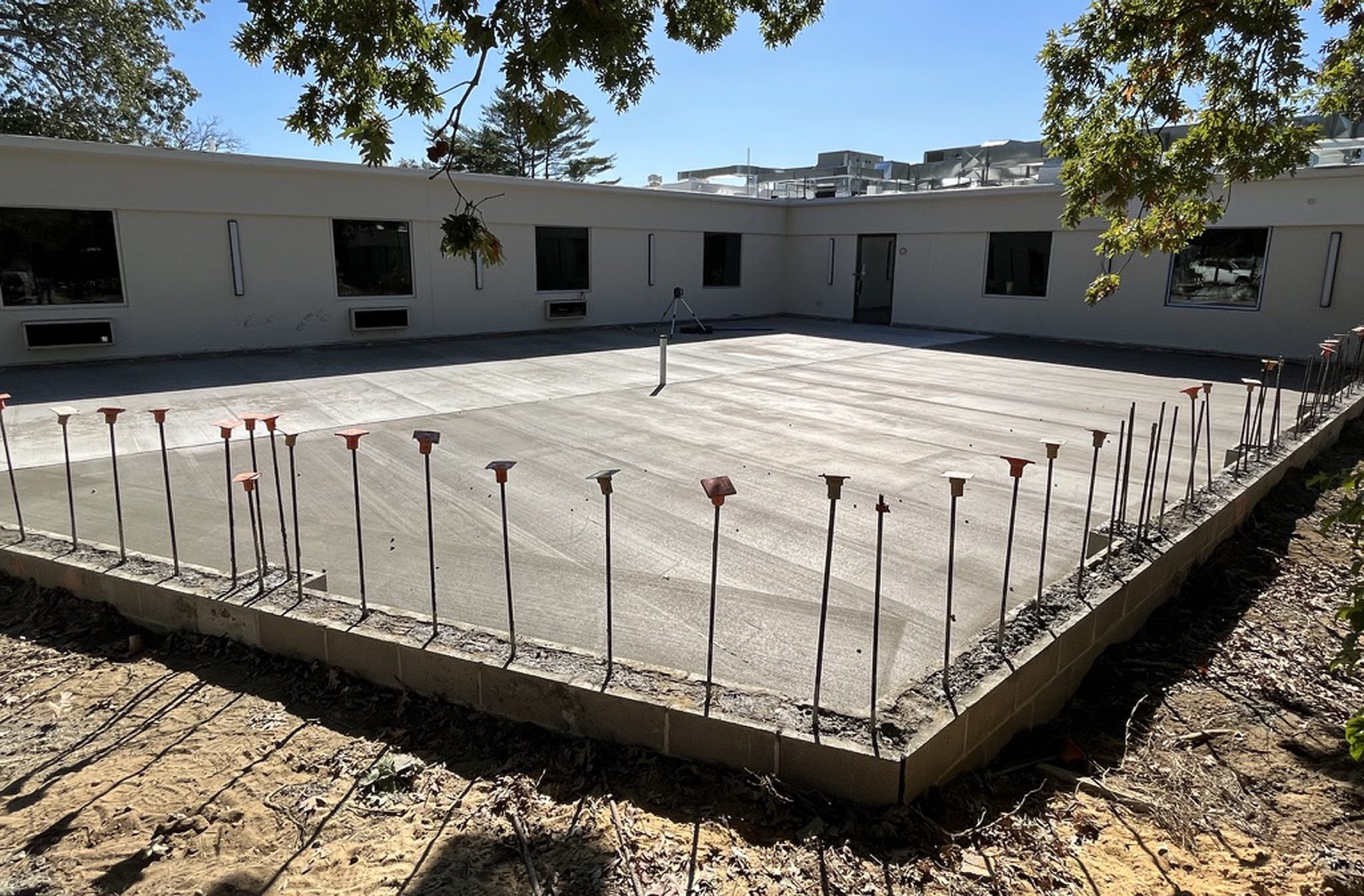
Most foundation water problems do not begin with a dramatic basement flood. They start quietly, often outside the house, where drainage is underperforming in ways that are easy to miss until the damage becomes expensive. A damp corner in the basement after a heavy rain. Soil that stays soft for days near the foundation. Downspouts that spill too close to the house. Small cracks that widen over two or three seasons. By the time homeowners notice standing water indoors, the problem has usually been building for a while.
In New Jersey, this pattern is especially common because homes deal with a wide mix of conditions. Some neighborhoods sit on heavier clay soils that hold water. Others have older homes with aging drain systems, settled walkways, or landscaping that now slopes the wrong way after years of freeze-thaw cycles. Add periods of hard rain, saturated ground, snowmelt, and high humidity, and you have an environment where poor drainage can put steady pressure on a foundation.
That pressure matters. Water does not need a large opening to become a serious issue. It follows the path of least resistance, seeps through porous concrete, exploits cold joints, and pushes through hairline cracks that looked harmless in dry weather. Homeowners often ask whether the right move is exterior grading, new gutters, interior drainage, sump work, sealing, or full-scale waterproofing. The answer depends on what the drainage clues are saying.
Why drainage problems rarely stay outside
A house is only as dry as the system around it. That system includes the roof drainage, the slope of the yard, the porosity of the soil, the condition of any footing drains, the depth of the water table, and the way hard surfaces direct runoff. When one part fails, the foundation often becomes the collection point.
I have seen homes where the basement walls were blamed for leaks when the real issue was a short downspout terminating less than two feet from the house. I have also seen the opposite, where owners spent money on extensions and regrading, only to learn that years of hydrostatic pressure had already compromised wall joints and floor seams. Good diagnosis matters because drainage and waterproofing are related, but they are not identical. Drainage controls water movement. Waterproofing protects the structure when water inevitably reaches it.
That distinction is important for anyone considering Foundation Waterproofing NJ services. Waterproofing is most effective when it addresses both the symptom and the source. If exterior water is collecting against the home day after day, a coating alone is not a serious long-term plan. If the foundation already has seepage points, fixing surface runoff without protecting the structure may also fall short.
Water pooling near the foundation after rain
One of the clearest warning signs is standing water near the house that lingers longer than it should. After a normal rain, some temporary puddling in low spots is not unusual. What raises concern is water that sits next to the foundation for a day or more, especially if the area remains muddy while the rest of the yard begins to dry.
Persistent pooling usually means one of three things. The yard slopes toward the house, the soil drains too slowly, or runoff from the roof is being discharged too close to the wall. Sometimes it is a combination of all three. In older properties, settling can create subtle depressions near the foundation line. A homeowner may not notice the grade issue while mowing the lawn, but the water certainly does.
When water remains against the foundation, it increases the chance of seepage through cracks and porous masonry. It also raises hydrostatic pressure, which is simply the force water exerts when it accumulates in soil. That pressure can push moisture through below-grade walls even when the wall itself appears solid. In basements, this often shows up as damp patches, peeling paint, or a darker band along the lower portion of the wall after storms.
Basement walls that feel damp or look stained
A wet basement does not always look obviously wet. Sometimes the first sign is a chalky white residue on block or concrete walls. That residue, called efflorescence, forms when water moves through masonry, dissolves salts, and leaves them behind as it evaporates. Efflorescence alone does not tell you the exact source of the water, but it does confirm moisture migration.
Staining is another clue. Brownish streaks, darker patches, bubbling paint, or areas where finished basement materials begin to swell or separate often point to water intrusion. In homes with cinder block foundations, moisture may appear along mortar joints or collect in the hollow cores of the blocks. In poured concrete basements, seepage often appears at form tie locations, wall cracks, or where the wall meets the slab.
Homeowners sometimes dismiss dampness if they never see active dripping. That is risky. Chronic moisture is enough to support mold growth, rust metal framing components, degrade adhesives, and warp wood trim. It also tells you the drainage burden around the foundation is more than the structure is comfortably handling. At that stage, an inspection for Foundation Waterproofing NJ solutions becomes more than a preventive measure. It becomes a way to stop a manageable problem from turning into structural repair.
Musty odors that return no matter how much you clean
A basement can smell stale for innocent reasons, but a persistent musty odor is often tied to moisture rather than housekeeping. If the smell intensifies after rain or humid weather, drainage should move high on the suspect list.
What makes this tricky is that odor often appears before visible mold. Moisture may be trapped behind finished walls, under vinyl plank flooring, in carpet padding, or inside storage materials stacked near basement walls. In crawl spaces, damp soil and limited airflow make the issue even more pronounced. The smell can travel upward through the house, and many families first notice it in closets, lower hallways, or rooms directly above the basement.
In practice, recurring odor tells you water is probably entering or condensing often enough that surfaces never fully dry. A dehumidifier may reduce the smell, and sometimes it is absolutely part of the solution, but if exterior drainage is poor, the device is treating the environment rather than the cause.
Cracks that change with wet weather
Not every crack is an emergency. Concrete and masonry crack for several reasons, including shrinkage and minor settlement. What deserves closer attention is a crack that becomes damp after storms, develops staining around its edges, or slowly widens over time.
Vertical cracks are common, though they should still be evaluated if they leak. Horizontal cracks are more concerning because they can indicate lateral pressure from saturated soil outside the wall. Stair-step cracking in block foundations also deserves careful review, especially when paired with signs of drainage trouble in the yard.
The key is not to judge a crack in isolation. A small vertical crack in a dry basement with good grading may be low risk. The same crack in a home with ponding water, overflowing gutters, and wet soil against the wall tells a different story. I have walked through basements where owners had sealed the visible crack more than once, only to find that water was entering at the wall-floor joint because the real issue was pressure building outside after every storm.
Gutters and downspouts that are quietly making things worse
Roof runoff is one of the most overlooked contributors to foundation moisture. A modest-sized roof can shed hundreds of gallons during a solid rain event. If that water is dumped next to the foundation, the result is predictable.
Gutters do not need to be falling off the house to create problems. A slight clog, a poorly pitched section, a leaking seam, or a missing splash block can repeatedly saturate the same stretch of soil. In winter, ice buildup can worsen the problem by forcing meltwater over the gutter edge and down the wall. In heavily landscaped areas, mulch and planting beds may hide the oversaturation, so homeowners miss it until basement signs appear.
Downspout discharge distance matters more than many people think. Letting water out one or two feet from the wall is often not enough, especially on lots with slow-draining soil. Extensions, buried leaders, or drainage piping may be needed, but those improvements should be evaluated in context. If the home also has poor grading and subsurface seepage, roof runoff control is necessary, not sufficient.
Soil erosion, sunken areas, and shifting hardscapes
Sometimes the warning signs are in the landscape rather than the basement. If mulch Foundation Waterproofing NJ consistently washes away near the house, if a narrow trench forms where runoff cuts through a bed, or if pavers and walkways begin to settle toward the home, drainage is usually part of the story.
These exterior signs matter because they show where water is traveling and where it is concentrating. A walkway that now pitches toward the house can send surprising amounts of water against the wall during storms. A settled patio can act like a shallow bowl. A flower bed built up too high against siding can trap moisture and hide negative grade. Even decorative edging can interfere with surface runoff if it creates a low pocket at the foundation line.
In New Jersey, freeze-thaw cycles often magnify these issues. Small drainage flaws become larger after a few winters, and surfaces that once drained adequately no longer do. That is one reason homeowners are sometimes caught off guard. The property looked fine five years ago. Since then, subtle movement has changed how water behaves.
A sump pump that runs too often, or not at all when it should
A sump pump is not proof of a problem by itself. Many homes rely on one by design, particularly in areas with high groundwater or interior drainage systems. What matters is how the pump behaves.
If it runs frequently during or after moderate rain, that can indicate the drainage load around the foundation is high. If it cycles on and off rapidly, there may be discharge or float issues. If the pit remains unusually full long after storms have passed, water may be moving toward the foundation more aggressively than before. On the other hand, if there are signs of basement moisture and the pump never seems to engage, it may not be capturing the source of the water, or the system may not be functioning correctly.
I have seen basements where homeowners focused on replacing the pump when the larger issue was exterior runoff saturating one side of the home. The new pump bought time, but it did not reduce the water burden. A properly designed waterproofing approach should account for how water enters the system and where it should go once collected.
Interior symptoms upstairs that point back to drainage
Water around a foundation does not always announce itself in the basement first. In some homes, the first clues are subtle changes elsewhere. Doors on the lower level begin sticking during wet seasons. Flooring near exterior walls feels slightly uneven. Baseboards show minor swelling. Paint near lower corners blisters. These signs can result from moisture-related movement, especially when the lower structure is taking on water repeatedly.
This does not mean every sticky door is a drainage emergency. Houses move. Wood reacts to humidity. But patterns matter. If interior changes line up with wet weather, and especially if they appear with any basement or exterior drainage clues, it is worth a deeper look.
When poor drainage becomes a waterproofing problem
Homeowners often ask where drainage repair ends and waterproofing begins. In the field, that line is practical rather than theoretical. If water is being directed toward the foundation and the structure is already showing signs of seepage, the situation has crossed into waterproofing territory.
A few circumstances usually justify serious attention:
- water enters the basement or crawl space more than once
- wall cracks or wall-floor joints show active dampness after storms
- grading and gutter corrections have not fully resolved the problem
- stored items, finishes, or mechanical systems are at risk
- musty odor and elevated humidity persist despite ventilation or dehumidification
At that point, patching visible symptoms is rarely enough. A real solution may involve exterior excavation and membrane waterproofing, footing drain replacement, crack injection, interior drainage channels, sump upgrades, or a combination of those measures. The right mix depends on the age of the home, foundation type, access around the exterior, water entry points, and budget.
The New Jersey factor
Foundation waterproofing decisions in New Jersey benefit from local judgment. Conditions can vary significantly from one county to the next, and even from one street to another. Some homes deal primarily with roof runoff and grading. Others sit in areas where groundwater is the dominant issue. Coastal conditions, older neighborhoods, mature trees, and dense development all influence how water behaves around a structure.
That is why the phrase Foundation Waterproofing NJ should mean more than a generic service category. It should signal familiarity with local construction styles, seasonal patterns, soil behavior, municipal drainage constraints, and the realities of older housing stock. A waterproofing plan that makes sense for a newer home on a broad suburban lot may not be appropriate for a century-old house with limited side-yard access and a stone or block foundation.
What a careful inspection usually looks for
A thorough evaluation should start outside, not just in the basement. The inspector should be looking at roof drainage, discharge locations, grading, settled concrete, plant beds, signs of erosion, and whether neighboring properties direct water toward the home. Indoors, the focus should include wall condition, crack patterns, floor joints, humidity levels, sump performance, and evidence of past repairs.
Good inspectors also ask timing questions. Does moisture appear only during wind-driven rain, only after prolonged storms, during spring thaw, or even in dry spells? Does one corner of the basement stay damp year-round? Has the problem become more noticeable after landscaping or patio work? These details often separate a surface runoff issue from a deeper groundwater or drainage system problem.
One practical note from experience: photos help. If a homeowner can document puddling, wall staining after storms, or sump activity over time, the diagnosis improves. Water problems are event-driven. Catching them in the act is useful.
Temporary fixes versus durable ones
There is nothing wrong with temporary protection while a full solution is being planned. Running a dehumidifier, moving stored items off the floor, extending downspouts, or resealing obvious gaps can reduce risk in the short term. Problems arise when temporary measures are mistaken for permanent correction.
A gallon of waterproof paint on an interior wall does not stop exterior water pressure. Caulk in a leaking cold joint rarely lasts if drainage is still failing. Even simple regrading can underperform if the added soil settles back within a season or if hardscapes still trap runoff at the foundation.
Durable work starts with controlling the water path, then protecting the structure from what remains. That order matters. It is the difference between managing symptoms and reducing the actual load on the foundation.
When not to wait
Some drainage signs can be monitored for a season. Others should push the timeline forward. Active seepage, repeated flooding, mold growth, bowing walls, widening cracks, and moisture around electrical or mechanical equipment deserve prompt action. So do situations where a finished basement is involved. Water behind finished surfaces can cause hidden damage faster than many people realize.
There is also a financial reason not to wait too long. Minor drainage corrections are usually less disruptive than structural repairs, mold remediation, or replacing ruined flooring and wall materials. Once water starts affecting framing, insulation, drywall, or stored belongings, the cost curve climbs quickly.
A dry basement and stable foundation usually come down to one simple truth: water must be encouraged to leave, not invited to stay. If the ground around a house remains wet, if runoff keeps returning to the same spots, or if interior moisture keeps reappearing despite basic maintenance, the house is already giving warnings. Listening early is what saves money, protects the structure, and makes foundation waterproofing a strategic decision rather than an emergency one.
ARD Waterproofing
Address: 98 Smull Ave, West Caldwell, NJ 07006
Phone number: +12016465936
FAQ About Foundation Waterproofing NJ
What is the best way to waterproof a foundation?
The best way to waterproof a foundation is from the exterior, combining a continuous elastomeric or rubberized membrane, a drainage mat, and a perforated perimeter drain (French drain) to intercept water before it ever touches the wall.
What is the average cost to waterproof a foundation?
The average cost to waterproof a foundation ranges from $1,886 to $5,946 nationally, though full-scale projects can run anywhere from $5,000 to $25,000+ depending on whether you choose interior or exterior methods.
How can I make my foundation waterproof?
True exterior foundation waterproofing stops water before it touches your concrete or masonry. It differs from basic damp-proofing, which only keeps out moisture vapor rather than standing water or hydrostatic pressure.